Is Fastrak Lane Tolls A Scam? Unveiling The Truth Behind The Controversy
Is Fastrak Lane Tolls A Scam? Unveiling The Truth Behind The Controversy - By encouraging smoother traffic flow and reducing idling, Fastrak lane tolls play a role in promoting environmental sustainability. Fewer emissions from vehicles contribute to cleaner air and a healthier planet. Despite its convenience, some drivers question whether Fastrak lane tolls are a scam. This skepticism often stems from misunderstandings about how the system operates and the associated fees. In reality, Fastrak is a legitimate service provided by public transportation authorities to improve traffic flow and reduce congestion.
By encouraging smoother traffic flow and reducing idling, Fastrak lane tolls play a role in promoting environmental sustainability. Fewer emissions from vehicles contribute to cleaner air and a healthier planet.
This information is stored securely and used solely for toll collection purposes. Drivers can rest assured that their data is protected under applicable privacy laws.
Fastrak lane tolls operate through a combination of transponders, license plate recognition, and online accounts. When drivers pass through a Fastrak lane, the system automatically detects their transponder or license plate and deducts the appropriate toll from their account. This process ensures seamless travel without stopping at toll booths.

For drivers who prefer not to use Fastrak lane tolls, several alternatives are available. These include:
Drivers across the United States have been increasingly hearing about Fastrak lane tolls, but concerns persist about whether these systems are legitimate or a scam. With rising fuel costs and complex tolling systems, it's understandable that motorists want to ensure they're not being taken advantage of. This article dives deep into the Fastrak lane toll system to separate fact from fiction.
While Fastrak lane tolls offer many advantages, they are not without drawbacks. Some potential disadvantages include:
Privacy is another area where drivers express concerns about Fastrak lane tolls. Since the system tracks vehicle movements and collects personal data, it's natural to wonder about data security and privacy protections. Fortunately, Fastrak adheres to strict regulations to safeguard user information.
To minimize expenses associated with Fastrak lane tolls, consider the following tips:
Here are answers to some of the most common questions about Fastrak lane tolls:
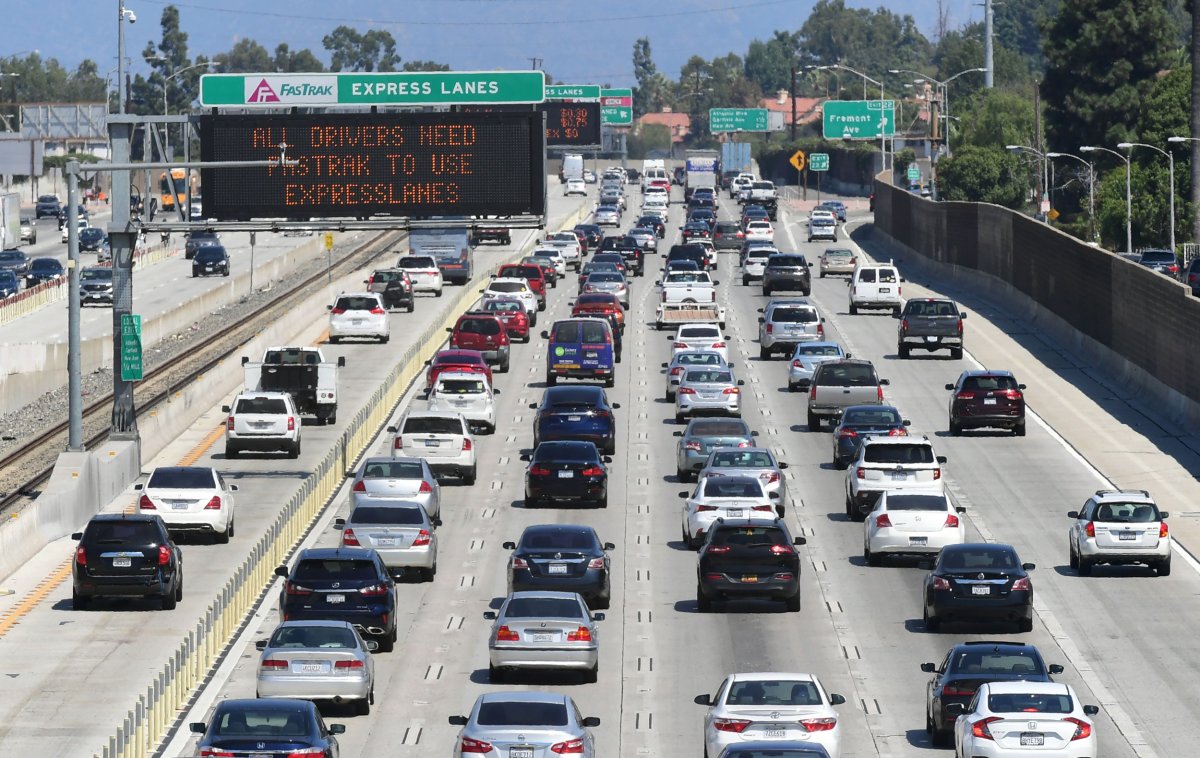
Fastrak is just one of many electronic toll collection systems in the United States. While it operates primarily in California, similar systems exist in other states. Comparing Fastrak to alternatives like E-ZPass or SunPass can help drivers choose the best option for their needs.
The Fastrak system was first implemented in the San Francisco Bay Area as part of the Bay Area Toll Authority's efforts to modernize toll collection. Over time, it has evolved into a statewide system, with millions of users relying on it daily. Understanding its origins and development can help dispel myths about its legitimacy.
Dynamic pricing is a key feature of Fastrak lane tolls, allowing authorities to adjust tolls based on real-time traffic conditions. This system encourages drivers to use less congested routes or travel during off-peak hours, ultimately reducing overall traffic congestion.